by Alex Taylor

For my first review I’ve decided to take a look at Vampire Hunter D: Bloodlust, a classic anime film that I’ve only recently managed to sit down and watch in its entirety.
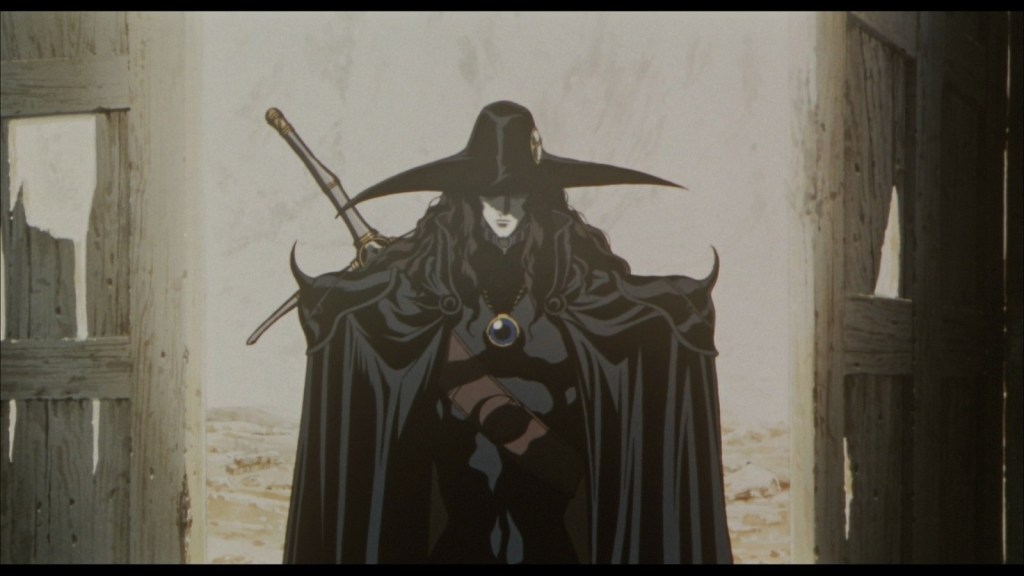
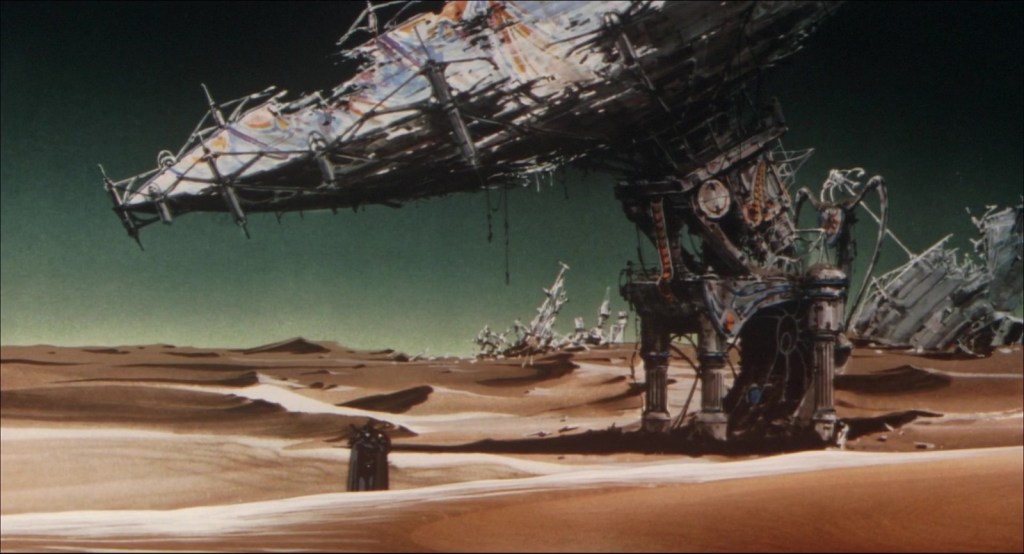
The main character featured throughout the film is the titular wandering bounty hunter known only as “D”. He is a dhampir (referred to in the film and by many translations of the wider series as a “dunpeal”), a half-vampire with supernatural abilities and a lifespan far beyond that of regular humans. The story is set in a post-apocalyptic future approximately 10,000 years from now, where humans are slowly reclaiming the world from monsters in the aftermath of nuclear war. The series combines elements of horror, science fiction and dark fantasy to create a compelling, moody setting with an excellent atmosphere and sense of foreboding. (Read More)
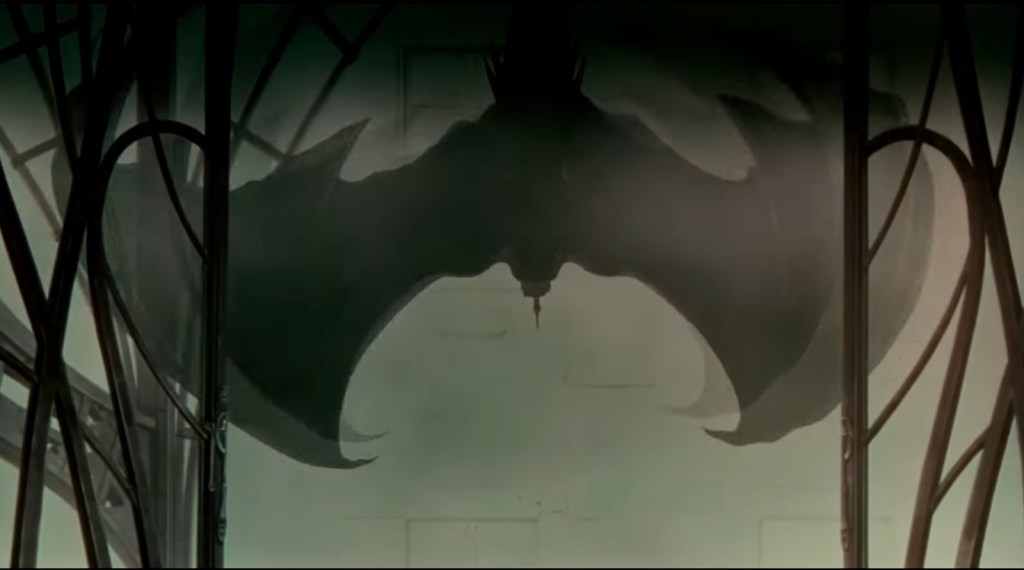
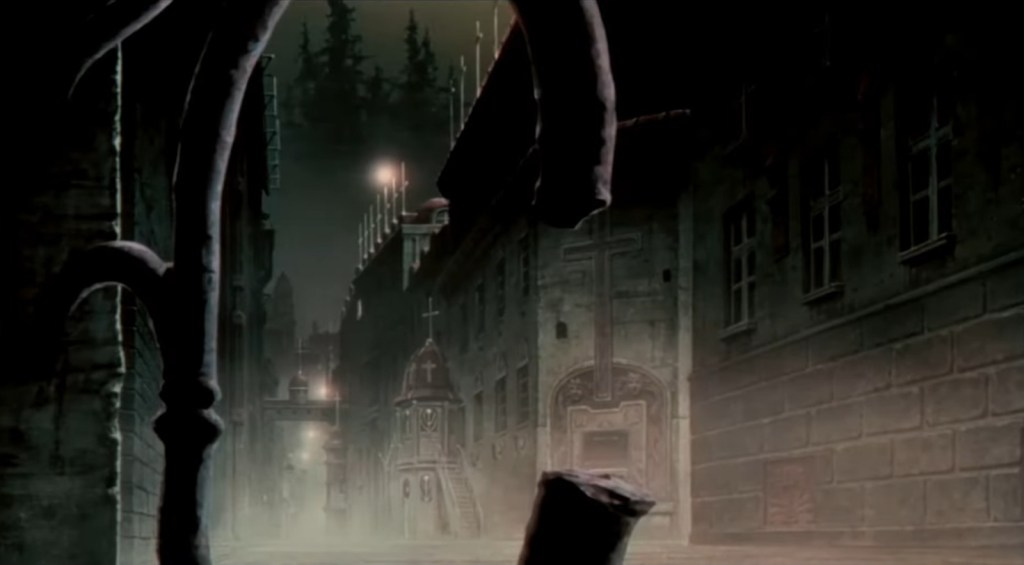
The film sets the tone almost immediately, opening on a moonlit city as a carriage rides through the streets in the dead of night. There are many indicators of a vampiric presence within the carriage as it passes through the city, with lamps extinguishing, running water freezing and iron crosses bending and warping out of shape. We are then introduced to a woman named Charlotte, who is taken from her room by the nobleman vampire Baron Meier Link and whisked away in a dramatic fashion.
Some time later, D is hired by her father, the mayor of the city, to rescue her from the Baron. He is instructed to bring her back, preferably alive, but is instructed to do what must be done if she has already been turned. While D accepts the job, he soon discovers that Charlotte’s brother has independently hired a group of mercenaries to perform the same task, causing some interpersonal conflicts amongst the characters. This group includes a hunter named Leila, who has a grudge against vampires but warms up to D over the course of the story. D and the others strive to track down the Baron and liberate Charlotte, though this will prove difficult as complications arise along the way.
Released in 2000, the film is an adaption of the Vampire Hunter D series of novels, specifically the third entry “Demon Deathchase” from 1985. Despite this the film is quite self-contained and prior knowledge of the series is not required to fully enjoy it, though this should not dissuade anyone from checking out the wider franchise. A prior film adaption of the first novel was released in 1985, simply titled “Vampire Hunter D”. That film is also a solid watch with similar themes, though personally it doesn’t nearly reach the technical heights and sheer presentation of this installment. Many viewers unfamiliar with the franchise will immediately notice similarities in style and theming to Castlevania, especially the more recent Netflix adaptations. This is ostensibly due to the franchise’s roots owing a lot of inspiration to the earlier Vampire Hunter D, as well as other thematic ancestors such as the various adaptations of Dracula and other vampire fiction over the years.
The film has a gripping and appealing art style that will grab the attention of anybody that enjoys Gothic design or other dark fantasy series. The setting has elements reminiscent of Gothic European architecture and scenes of the Old West, making for an interesting blend of styles and a compelling world full of striking locations. The animation is butter smooth and extremely high quality, making for a visually stunning and captivating viewing experience. The entirely hand-drawn nature of the animation makes it seem even more impressive and laborious, from the lighting and reflections to the intense action scenes. There are several moments where the film simply takes the time to breathe and let the viewer drink in the visuals and atmosphere of a scene rather than frantically cutting to whatever is next, which is greatly appreciated.
D himself has an instantly recognisable and iconic design that fits right in with the setting and mood, lifted straight from the covers of the original novels. The other characters also stand out, with interesting design elements and inventive weapons or combat styles on display. Even the more minor characters put on a good showing, with one particularly memorable jester-like antagonist that spends all of his screentime riding a unicycle, as well as a spectacularly inventive shapeshifting antagonist that gives the heroes a run for their money several times.
D is characterised as stoic and no-nonsense, though he is clearly shown to have a heart beneath his colder exterior and seems to work for the greater good despite his vampiric nature. This is especially clear in the closing moments of the film with a touching callback to an earlier scene, which I won’t spoil. His conviction and feelings toward humanity are quite interesting considering how many react toward him and his true nature. Similarly, the Baron shows surprising depth compared to how he may first appear, and certain twists and turns throughout the movie keep you on your toes about what to expect from him and other characters. Leila also holds her own as a compelling secondary protagonist without falling into the common trap of merely being there to be eye candy or a love interest.
Overall, this film is a hard recommendation from me for anybody that enjoys this sort of genre, setting, or just wants something awesome to watch at any given moment. It’s a particular treat for fans of animation in general who will appreciate the visual feast this film provides. In terms of the vocal performances, both the Japanese and English dubbed versions are very well done so I have no personal bias over which to recommend, leaving it down to viewer preference. For those skeptical of dubs, it is worth noting that this film was actually animated with the English dub track in mind and released in the US first, which is quite rare. Either way, you won’t be disappointed.